In many cases, a full replacement isn't necessary.
Repair makes sense when:
The frame is in good condition — straight, undamaged, and still fits the window correctly
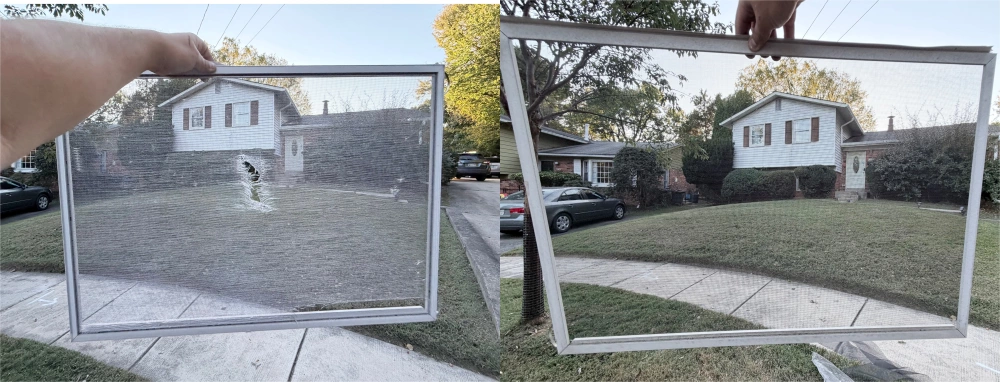
The damage is limited to the mesh (a tear, hole, or loose spline)
The screen is a standard size that accepts standard mesh rolls
You have a newer screen that's still structurally sound
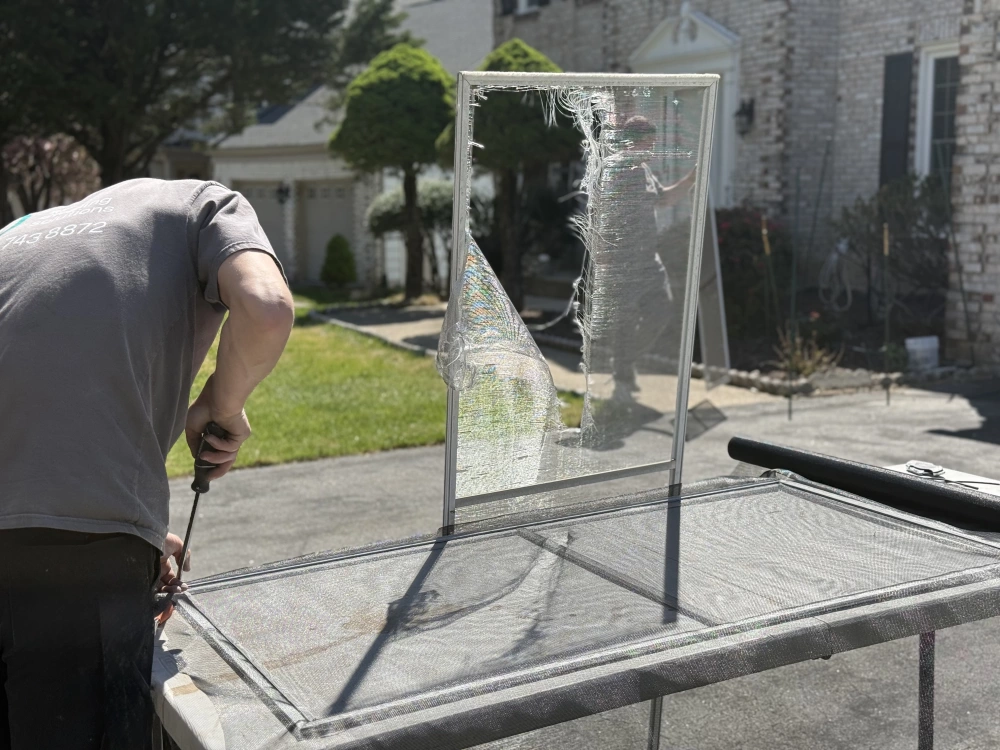
Re-screening — removing the old mesh and installing new material into the existing frame — is a cost-effective fix that typically takes less than an hour per screen.
It's also a smart option when you want to upgrade the mesh type without buying entirely new screens.
When Full Screen Replacement Makes More Sense
Sometimes repair isn't worth it.
Replacement is the better call when:
The frame is bent, warped, or broken at the corners
The screen repeatedly falls out of its track — a sign the frame has lost its shape
The screen is an odd or custom size that requires a custom-built frame anyway
You're replacing windows and want screens sized and matched to the new units
The existing screen is old enough that re-screening would just delay the inevitable
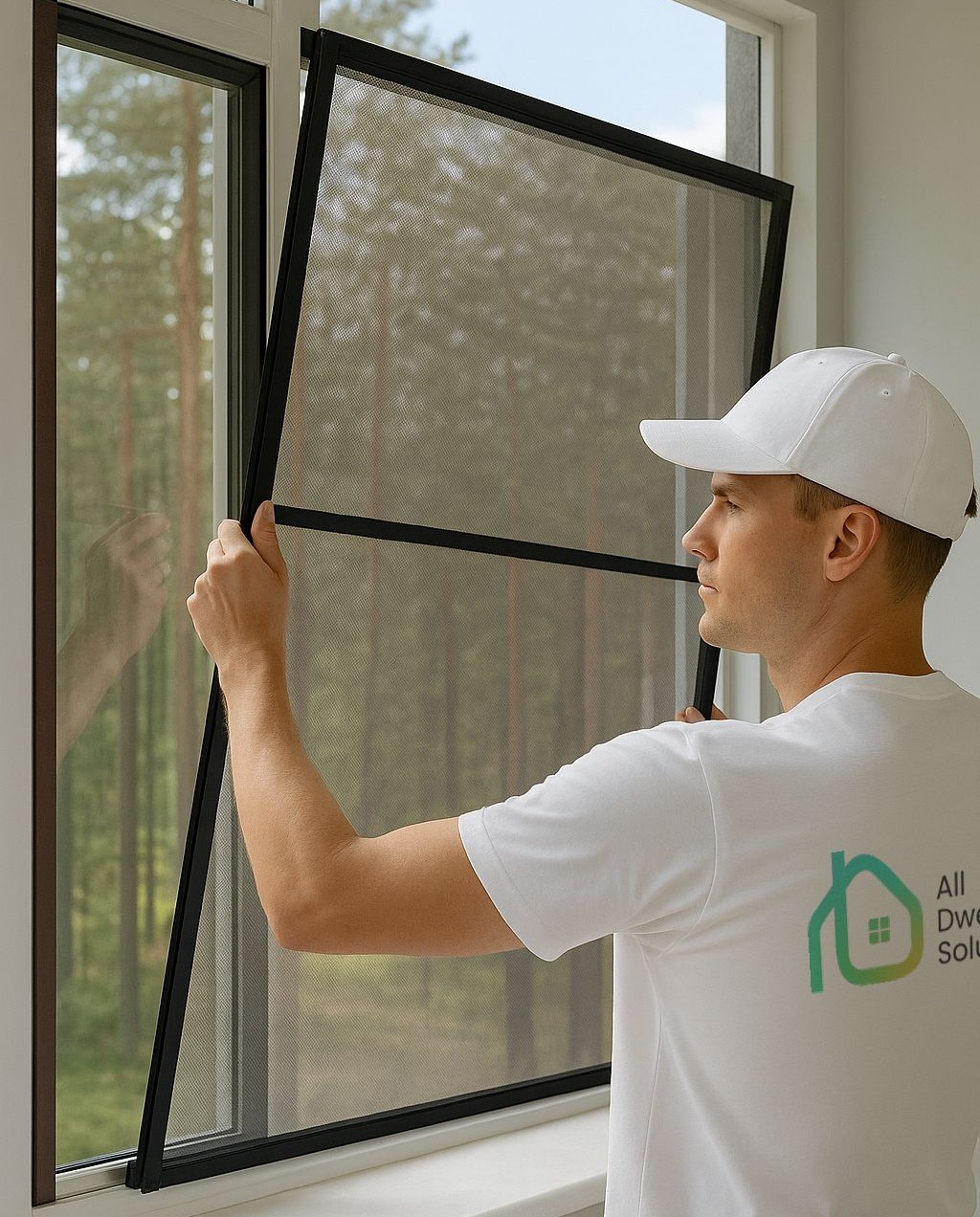
In these cases, a new screen — properly sized and built to fit your specific window — will perform better and last longer.
Choosing the Right Screen Mesh for Your Home
Not all screen mesh is the same. The material you choose affects visibility, airflow, durability, and insect protection.
Here are the most common options:
Fiberglass mesh — the standard choice for most homes. Flexible, affordable, and resistant to creasing. Good for general use.
Aluminum mesh — more rigid and durable than fiberglass. Better for high-traffic areas or homes with pets that push against screens.
Pet-resistant mesh — made from vinyl-coated polyester, significantly stronger than standard mesh. Designed specifically to withstand clawing and pressure from dogs and cats.
Solar or sun-control mesh — reduces glare and heat gain while maintaining outward visibility. Popular in south- and west-facing windows in Maryland summers.
No-see-um mesh — tighter weave that blocks very small insects. Reduces airflow slightly, but excellent for homes near wooded or wetland areas.
If you're unsure which mesh is right for your situation, a professional can walk you through the options based on your windows, location, and lifestyle.
Re-screening a window is one of the more approachable DIY home repairs — if you have the right tools, a steady hand, and a standard-size frame.
Where it gets tricky:
Curved or specialty frames that require precise spline fitting
Large screens (patio doors, oversized windows) where keeping tension even across the mesh is difficult
Custom sizes that need to be built from scratch
Situations where you have 6, 10, or 15 screens to do at once
A professional re-screening service handles all of this quickly, with the right tools and the right mesh, and usually costs less than homeowners expect.
Screen Repair in Maryland: What to Expect
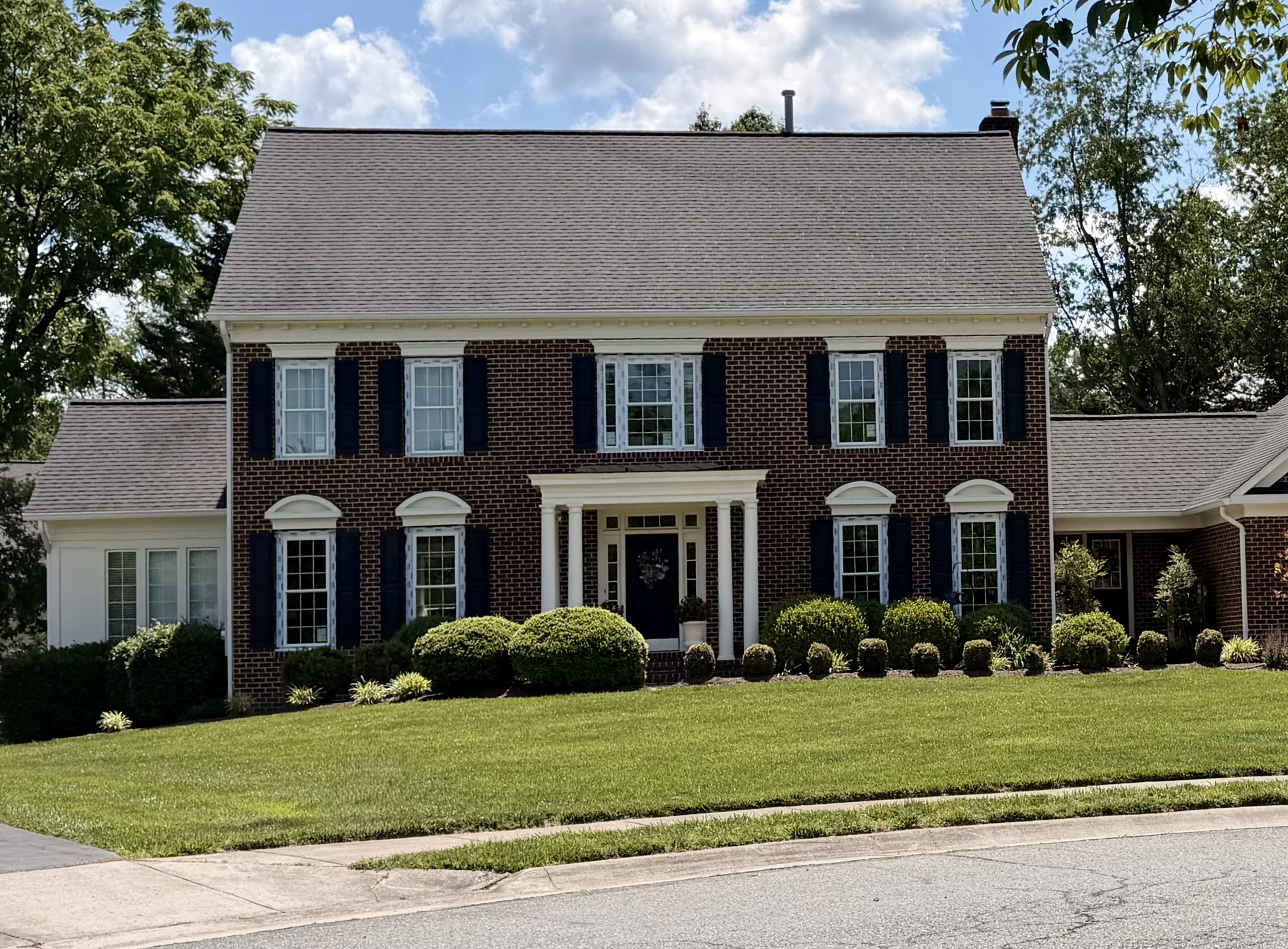
At All Dwelling Solutions, we handle window screen repair and full screen replacement across Maryland — including Montgomery County, Howard County, and surrounding areas.
We work with:
Standard window screens
Sliding patio door screens
Custom-sized screens for non-standard windows
Pet-resistant and specialty mesh upgrades
Screens are measured, cut, and assembled on-site or in our shop, and we carry a full range of mesh options so you're not limited to whatever the big box store stocks.
Don't Wait Until Summer
Small screen damage tends to get worse quickly — especially once the season is in full swing and windows are open every day.
A tiny tear becomes a large gap. A slightly bent frame stops latching. And by July, you're either living with bugs or keeping the windows closed on a hot day.
Spring is the right time to assess every screen in your home and take care of what needs fixing now.
Ready to Get Your Screens Fixed?
👉 Contact us for a free estimate on screen repair or replacement. We serve Maryland homeowners with in-house installation — no subcontractors, no surprises.